The Complete Guide to Progressive Overload
Learn how to continuously challenge your muscles and break through plateaus with progressive overload techniques.
Sarah Johnson
Author
Key Takeaways
- Comprehensive guide to training principles
- Science-backed strategies for optimal results
- Practical tips you can implement immediately
Progressive overload is the fundamental principle of gradually increasing the demands placed on your body during exercise. This concept is essential for continuous muscle growth, strength gains, and overall fitness improvement. Without progressive overload, your body adapts to the current stimulus and progress plateaus.
What is Progressive Overload?
Progressive overload refers to the gradual increase of stress placed on your body during exercise. This can be achieved through various methods, and understanding each one is crucial for long-term success. The principle applies to all forms of training, whether you're lifting weights, doing cardio, or practicing flexibility work.
Methods of Progressive Overload
1. Increase Weight/Resistance
The most common method is adding more weight to your exercises. Start by increasing weight by 5-10% when you can comfortably complete all sets and reps. This creates a new stimulus for muscle growth.
2. Increase Reps or Sets
If you can't add weight, increase the number of repetitions or sets. For example, if you're doing 3 sets of 8 reps, try 3 sets of 10 reps before increasing weight.
3. Decrease Rest Periods
Reducing the time between sets increases workout intensity and metabolic stress. Try decreasing rest periods by 15-30 seconds each week.
4. Improve Exercise Form
Better form increases time under tension and muscle activation. Focus on controlled movements and full range of motion.
5. Increase Frequency
Train the same muscle group more frequently. Instead of once per week, try twice per week with adequate recovery.
6. Add Variations
Change exercise variations to target muscles from different angles. This prevents adaptation and keeps workouts fresh.
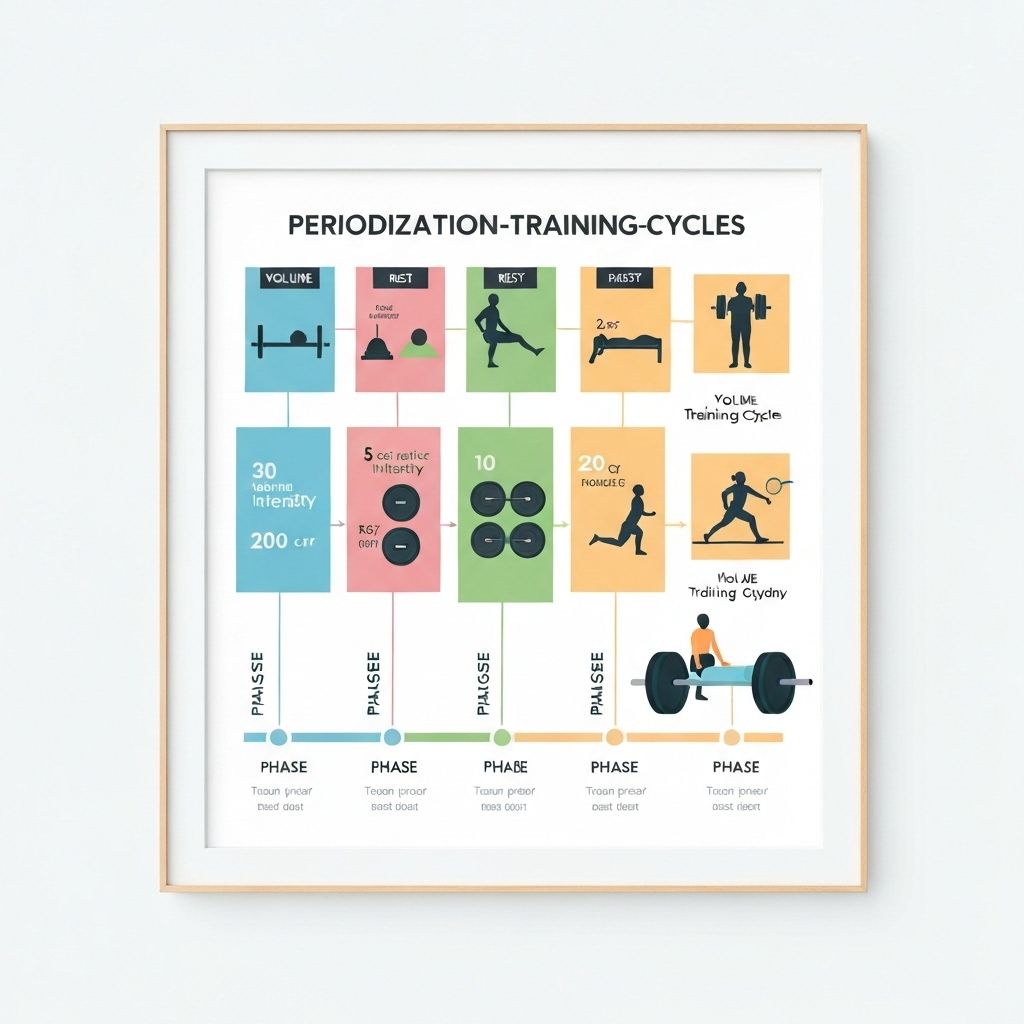
Progressive Overload Timeline
**Weeks 1-2:** Establish baseline and perfect form
**Weeks 3-4:** Increase reps by 2-3
**Weeks 5-6:** Increase weight by 5-10%
**Weeks 7-8:** Decrease rest periods
**Weeks 9-12:** Cycle through methods again
Common Mistakes to Avoid
**Increasing too quickly:** This leads to poor form and injury risk
**Neglecting form:** Heavy weight with bad form won't build muscle effectively
**Not tracking progress:** Keep detailed records of weights, reps, and sets
**Ignoring recovery:** Progressive overload requires adequate sleep and nutrition
Conclusion
Progressive overload is not complicated, but it requires consistency and patience. Track your workouts, make small incremental improvements, and trust the process. Over months and years, these small increases compound into significant strength and muscle gains.
Sarah Johnson
Certified Fitness Expert
Sarah Johnson is a certified fitness professional with over 10 years of experience helping clients achieve their health and fitness goals. Specializing in training, they combine scientific knowledge with practical coaching to deliver results.
Share this article
Help others discover this valuable content
Found this helpful?
Subscribe to our newsletter for more fitness insights